What types of toolbox molds can be classified according to different materials
Toolbox molds can be divided into two categories based on their materials: plastic toolbox molds and metal toolbox molds. The design logic, applicable scenarios, and processing techniques of the two types of molds differ significantly. The specific classification and characteristics are as follows:
Toolbox molds can be divided into two categories based on their materials: plastic toolbox molds and metal toolbox molds. The design logic, applicable scenarios, and processing techniques of the two types of molds differ significantly. The specific classification and characteristics are as follows:
1、 Plastic toolbox mold
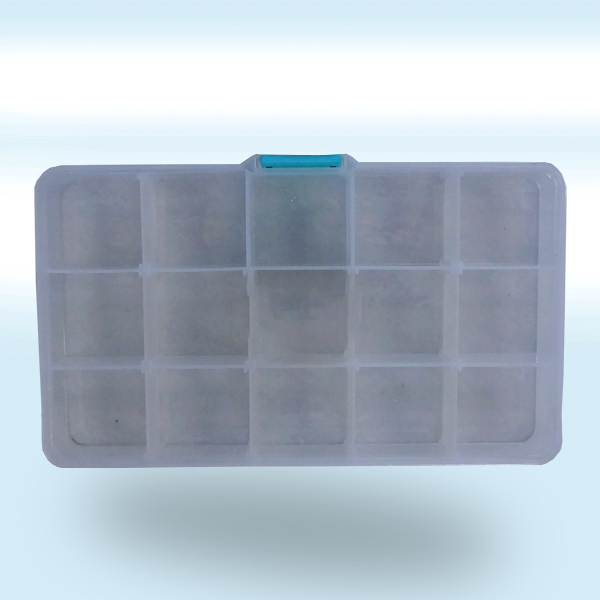
With "injection molding" as the core process, it is specifically used to produce toolboxes made of various plastic materials (such as household storage toolboxes, automotive plastic toolboxes, electronic equipment protection toolboxes, etc.), and is currently one of the most widely used types of toolbox molds.
Core features:
Applicable materials: mainly for thermoplastic materials, such as ABS (high strength, impact resistance, suitable for durable tool boxes), PP (acid and alkali resistance, light weight, suitable for light storage boxes), PC (high temperature resistance, aging resistance, suitable for outdoor or industrial scene tool boxes), HDPE (good toughness, fall resistance, suitable for household tool boxes), etc.
Structural design: The mold usually includes two core modules: "moving mold" and "fixed mold", with built-in gates (responsible for injecting plastic melt), cavities (corresponding to the shape of the toolbox), cooling systems (controlling the cooling speed of the plastic parts to avoid deformation), and ejection mechanisms (pushing out the plastic parts after molding); If the toolbox has complex structures such as buckles, compartments, handles, etc., the mold needs to be designed with corresponding core pulling mechanisms or combined cavities.
Applicable scenarios: Batch production of toolboxes with complex shapes, light weight, corrosion resistance, and low cost, such as portable tool storage boxes in the automotive repair industry, small tool sorting boxes for household use, and precision instrument protection boxes in the electronics industry.
Mold material: The mold body is mostly made of pre hardened plastic mold steel such as P20 and 718H (suitable for small and medium-sized production), or hot work mold steel such as H13 and S136 (suitable for large-scale, high demand production, with stronger wear resistance and fatigue resistance).
2、 Metal toolbox mold
Using "stamping" and "die-casting" as the main processes, it is used to produce metal toolboxes (such as industrial heavy-duty toolboxes, automotive repair metal toolboxes, outdoor protective metal boxes, etc.), focusing on the high strength and impact resistance of the products. According to the differences in processing technology, it can be further divided into two types: stamping molds and die-casting molds:
1. Metal stamping toolbox mold
Process logic: By applying external force through a press, metal sheets (such as cold-rolled steel plates, galvanized steel plates, aluminum alloy plates) undergo plastic deformation inside the mold, forming the outer shell, box cover, side plate and other components of the toolbox. Subsequently, they need to be assembled into a complete tool box through welding, riveting and other methods.
Core features:
Suitable materials: mostly metal sheets with a thickness of 0.5-3mm, such as cold-rolled steel (high strength, suitable for heavy-duty toolboxes), galvanized steel (good rust resistance, suitable for outdoor use), aluminum alloy sheets (lightweight and corrosion-resistant, suitable for portable metal boxes);
Mold structure: including cutting die (cutting metal sheet into basic shape), bending die (folding sheet into three-dimensional structures such as box body and box cover of toolbox), punching die (processing handle holes, lock holes, ventilation holes, etc. of toolbox);
Applicable scenarios: Production of metal toolbox components with relatively regular shapes, high strength, and large batch sizes, such as industrial heavy-duty tool storage boxes, fixed metal toolbox shells in auto repair shops, etc;
Mold material: Cold work mold steels such as Cr12MoV and DC53 are commonly used, which have strong wear resistance and can withstand high-frequency friction and impact forces during metal sheet stamping.
2. Metal die-casting toolbox mold
Process logic: Molten metal liquid (such as aluminum alloy, zinc alloy) is high-pressure injected into the mold cavity, cooled and directly formed into complex components of the toolbox (such as integrated box body, reinforced handle, locking base, etc.), reducing subsequent assembly processes.
Core features:
Suitable materials: Aluminum alloy is the main material (low density, high strength, good die-casting flowability), followed by zinc alloy (suitable for small, high-precision components);
Mold structure: including fixed mold, moving mold, sprue system (guiding molten metal into the mold cavity), exhaust system (expelling gas from the mold cavity to avoid porosity in the casting), cooling system (controlling the solidification speed of molten metal to ensure casting accuracy);
Applicable scenarios: Production of metal toolbox components with complex shapes, high degree of integration, and high precision requirements, such as metal toolbox boxes with three-dimensional compartments, integrated metal handles and box connection structures, etc;
Mold material: Hot work mold steels such as H13 and SKD61 are commonly used, which can withstand high temperatures (aluminum alloy die-casting temperature of about 600-700 ℃) and high-pressure impacts of molten metal, and have strong resistance to thermal fatigue.





 Home
Home
 Product
 Wechat
 Telephone